
Tree trimming isn’t just about curb appeal—it plays a crucial role in the health and longevity of your trees. At Hagan & Sons Tree Service, we often get asked the same question: When is the best time to trim trees for healthy growth? The answer depends on the type of tree, your goals, and the time of year—but with the right timing, your trees can thrive for generations.
Here’s what you need to know about when and why to schedule professional tree trimming to support healthy, long-term growth.
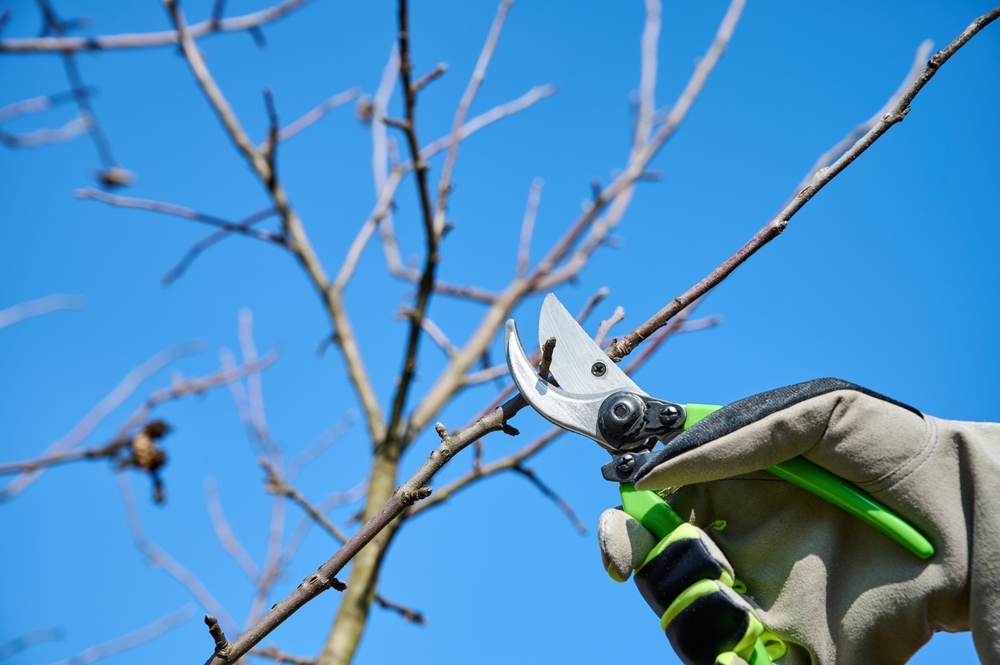
Why Tree Trimming Matters
Before we dive into timing, it’s important to understand why tree trimming is important:
- Encourages stronger structure and shape
- Removes dead or diseased limbs
- Prevents the spread of pests and disease
- Improves air circulation and sunlight exposure
- Protects nearby property and power lines from damage
Trimming at the wrong time, however, can leave trees vulnerable to stress, infection, or stunted growth. That’s why it’s best to trust experienced professionals who know the science behind seasonal tree care.
Ideal Trimming Time: Late Winter to Early Spring
For most tree species, late winter through early spring—before new growth begins—is the ideal time to schedule trimming. During this dormant season, trees are not actively growing, which means:
- Wounds heal faster, reducing the risk of disease
- Structural issues are easier to identify without leaves in the way
- Less sap loss occurs (especially important for maple and birch trees)
- Pests and fungi that target open wounds are less active
By trimming in late winter or early spring, you’re setting the stage for vigorous growth once warmer weather arrives. New branches will have better access to sunlight and nutrients, and the tree’s shape will develop in a more balanced, healthy way.
Exceptions to the Rule
While late winter is ideal for most trees, there are a few exceptions:
Flowering Trees
If you have ornamental trees that bloom in spring—like dogwoods, magnolias, or cherry trees—wait until after they flower to trim. Pruning too early can reduce the number of blooms for the season.
Hazardous or Damaged Limbs
If a branch is dead, diseased, or at risk of falling, don’t wait. Safety trumps season, and immediate trimming is the best course of action regardless of the time of year.
Light Summer Pruning
Light trimming or shaping can be done during the summer months for certain trees, especially if you’re addressing fast-growing limbs or maintaining visibility near driveways or walkways. However, extensive pruning in hot weather can stress trees, so it’s best to keep it minimal.
Fall: Proceed with Caution
Autumn might seem like a good time to trim, but it’s generally not recommended for most trees. As they begin to enter dormancy, they don’t heal as quickly, and wounds left in the fall are more susceptible to fungal infections.
That said, fall trimming can still be appropriate for specific species or to remove obvious hazards. A professional assessment is the best way to determine the right course of action.
Trust the Experts at Hagan & Sons Tree Service
Every tree is different—and so is every property. At Hagan & Sons Tree Service, we provide expert guidance and customized trimming plans based on your landscape’s unique needs. Our certified arborists understand local species, seasonal timing, and how to promote long-term health and safety through proper trimming techniques.
Whether you’re planning for spring growth or need help removing dangerous limbs, we’re here to help your trees thrive year-round. Contact us today to schedule your tree trimming service and give your trees the care they deserve.
