
There’s nothing better than a warm, crackling fire on a cold winter day. If your fire is difficult to start, smoky, or not producing enough heat, the issue is usually with the firewood, not the fireplace.
More specifically, it’s whether your firewood is seasoned.
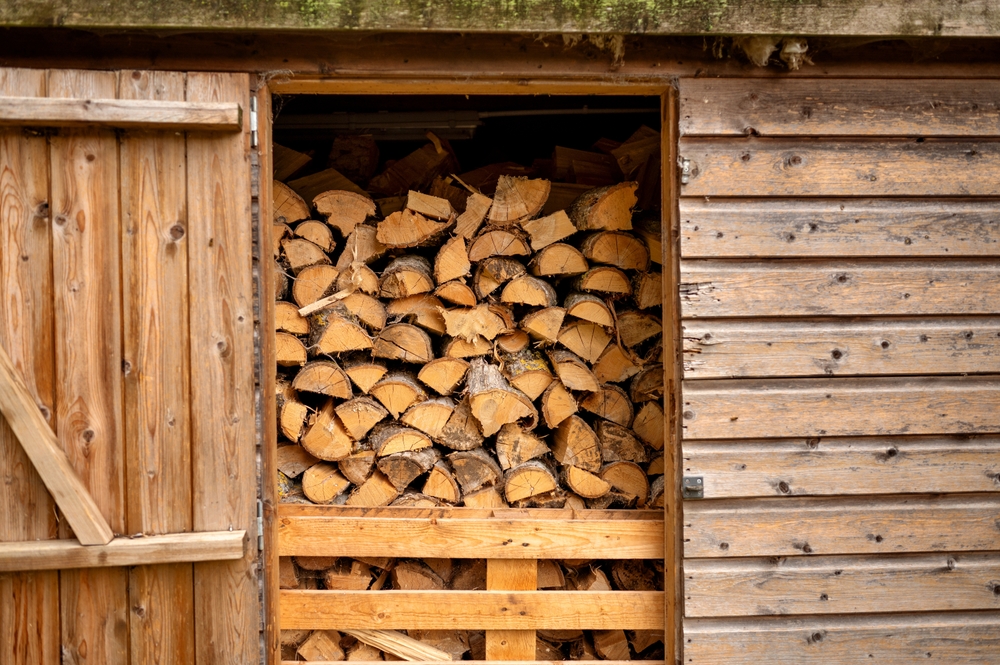
Using seasoned firewood greatly improves how your fire burns, increases the heat you get, and makes your home safer in winter. Here’s why it really matters.
What Exactly Is “Seasoned” Firewood?
Seasoned firewood is wood that has been cut, split, and dried for several months, usually between 6 and 12 months. This drying helps lower the moisture content, making the wood easier to light and burn more cleanly.
Freshly cut wood, often called “green wood,” can contain 40–60% moisture. Well-seasoned wood usually has a moisture content of less than 20%, which makes a big difference in how well it burns.
Why Moisture Levels Matter
If you try to burn green or poorly seasoned firewood, much of the fire’s energy goes toward evaporating the water inside the log instead of producing heat. The result?
- The fire is more difficult to start
- It generates less heat
- You experience increased smoke and creosote buildup
- Your chimney and home are at a greater safety risk
Seasoned firewood burns hotter, brighter, and more consistently—exactly what you need on a cold winter night.
Better Heating Efficiency
One of the main reasons homeowners choose seasoned firewood is efficiency.
Because it burns hotter and faster, seasoned wood:
- Heats your home more effectively
- Helps you burn less wood overall
- Provides a steady, reliable flame
This means your home will be warmer, you’ll make fewer trips to fetch firewood, and your heating system will work more efficiently.
A Cleaner, Safer Burn
Safety is essential when heating your home, and seasoned firewood is a key part.
When wood is too wet, it produces more smoke and unburned gases. These gases go up your chimney and can form creosote (a sticky, flammable substance). Creosote is one of the leading causes of chimney fires.
Burning seasoned wood helps:
- Minimize creosote buildup
- Keep your chimney cleaner between inspections
- Reduce the risk of chimney or flue fires
- Enhance indoor air quality
If you want peace of mind every winter, seasoned wood is the best choice.
Easier to Light, Easier to Maintain
Nothing’s more frustrating than a fire that fizzles out. Because seasoned firewood lights quickly and burns consistently, fires are:
- Quicker to begin
- Less likely to die suddenly
- Requires less maintenance, making it easier to keep up
That’s a major benefit for anyone who depends on firewood as a primary or additional heat source.
How to Tell If Firewood Is Properly Seasoned
Here are some signs your wood is ready for the fireplace:
- Cracks at the ends
- Lighter weight
- A hollow “clunk” sound
- Faded or dull-looking exterior
- Bark that peels or falls off easily
If you’re unsure, using a moisture meter can provide a quick reading.
Store It Right for Best Results
Even perfectly seasoned wood won’t burn well if it’s not stored properly. Keep your firewood:
- Off the ground
- Covered on top but open on the sides
- In a bright, breezy spot
- Away from direct contact with soil
Proper storage ensures your wood stays dry and ready to burn when needed.
Wrapping Up
Seasoned firewood isn’t just convenient; it’s about making winter heating safer, cleaner, and more efficient. Using the right wood helps your stove work better, requires less cleaning, and keeps your home comfy all season.
If you need properly seasoned firewood or want expert advice on winter tree care, Hagan and Sons Tree Service is here for you. Contact us anytime; we’re just a call away.
