
Winter storms in Maryland can be harsh on trees. Heavy snow, ice accumulation, freezing temperatures, and strong winds all put significant stress on branches, trunks, and root systems. While some storm damage is obvious, other signs may not appear until weeks later, and ignoring them can create serious safety risks.
As spring arrives, it’s important to inspect your property for potential hazards. If you suspect damage, a professional tree service in Maryland can assess the situation before it becomes dangerous.
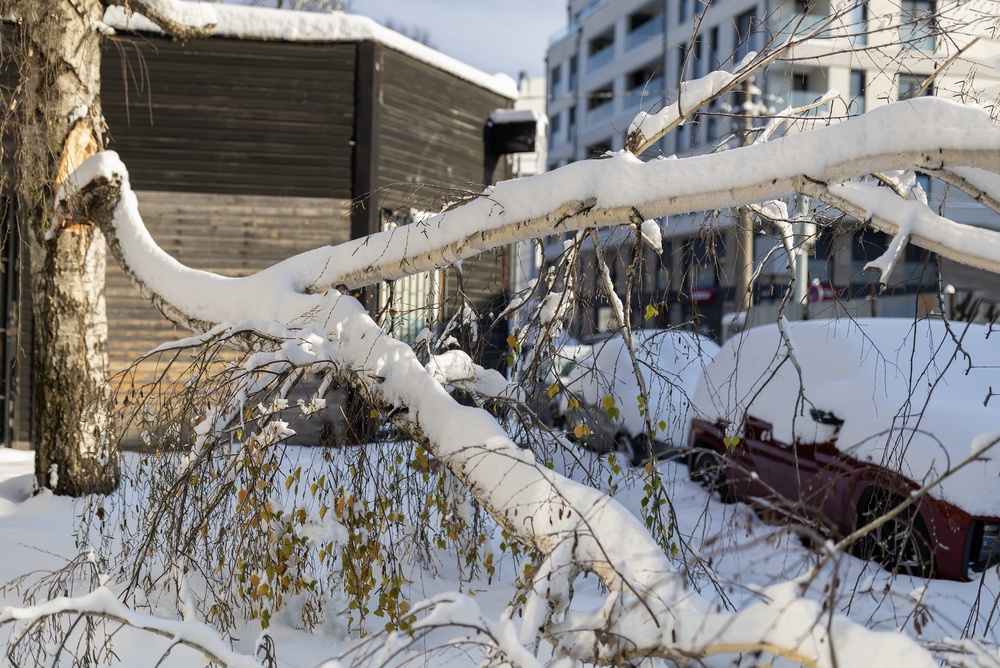
Here are the key signs a tree may have been damaged during winter storms.
Cracked or Split Branches
One of the most common signs of storm damage is visible cracking or splitting in large branches. Ice buildup adds significant weight, which can cause limbs to weaken or partially break.
You may notice:
- Hanging or sagging branches
- Deep cracks along major limbs
- Branches resting on other branches
Even if a limb hasn’t fallen yet, it may be structurally compromised. Weak branches can fall unexpectedly during spring winds or thunderstorms.
If you see cracked limbs, scheduling storm damage tree removal in Maryland can prevent injury or property damage.
Leaning or Shifting Trees
After winter storms, some trees may begin leaning more than usual. This is often caused by:
- Saturated soil from melting snow
- Frozen ground thawing unevenly
- Root damage from high winds
A leaning tree is a serious warning sign. If the root system has been compromised, the tree may no longer be stable.
A qualified tree removal company in Maryland can evaluate whether the tree can be stabilized or if large tree removal service in Westminster, MD is the safest option.
Bark Damage or Vertical Cracks
Sudden temperature fluctuations during winter can cause bark splitting, sometimes referred to as “frost cracks.”
You may see:
- Long vertical cracks in the trunk
- Peeling bark
- Exposed inner wood
While some trees can recover from minor bark damage, deep cracks may weaken the tree’s structural integrity and increase vulnerability to disease.
Broken or Fallen Branches Around the Base
Sometimes the damage isn’t immediately visible in the canopy. Instead, you’ll notice branches scattered around the base of the tree.
This may indicate:
- Brittle wood
- Internal decay
- Hidden structural weakness
Even if the tree appears upright, repeated branch loss can signal larger issues.
Dead or Bare Sections in the Canopy
As trees begin budding in spring, uneven leaf growth may reveal winter damage.
Look for:
- Sections that fail to leaf out
- Dead limbs in the upper canopy
- Discolored or brittle branches
Winter stress can cause delayed dieback. Addressing dead branches early reduces the risk of falling debris later in the year.
A professional inspection from a trusted Maryland tree service ensures the tree remains safe and healthy.
Why Spring Inspections Matter
Winter damage isn’t always immediately obvious. As temperatures rise and storms shift from snow to heavy rain and wind, weakened trees can fail without warning.
Proactive inspections help:
- Protect your home and vehicles
- Prevent personal injury
- Preserve healthy trees
- Avoid emergency removal situations
If you’re concerned about potential storm damage, early evaluation is always safer and more cost-effective than waiting for a tree to fall.
Schedule a Post-Winter Tree Assessment
Hagan & Sons provides reliable tree removal and storm damage tree service in Maryland, helping homeowners address hazardous conditions after winter storms.
If you’ve noticed cracked branches, leaning trunks, or dead sections in your trees, now is the time to act.
Contact us today for a professional tree assessment and protect your property this spring.
