
If you are planning a teardown, partial removal, or major rebuild, it is important to prepare your property for residential demolition before any equipment arrives. Demolition is not just about tearing a structure down. It is a process that involves planning, safety, site access, and protecting the rest of your property.
When homeowners take the time to prepare your property for residential demolition, the project usually moves faster and with fewer surprises. A solid plan can help you avoid delays, reduce safety risks, and make sure the site is ready for the next phase of work.
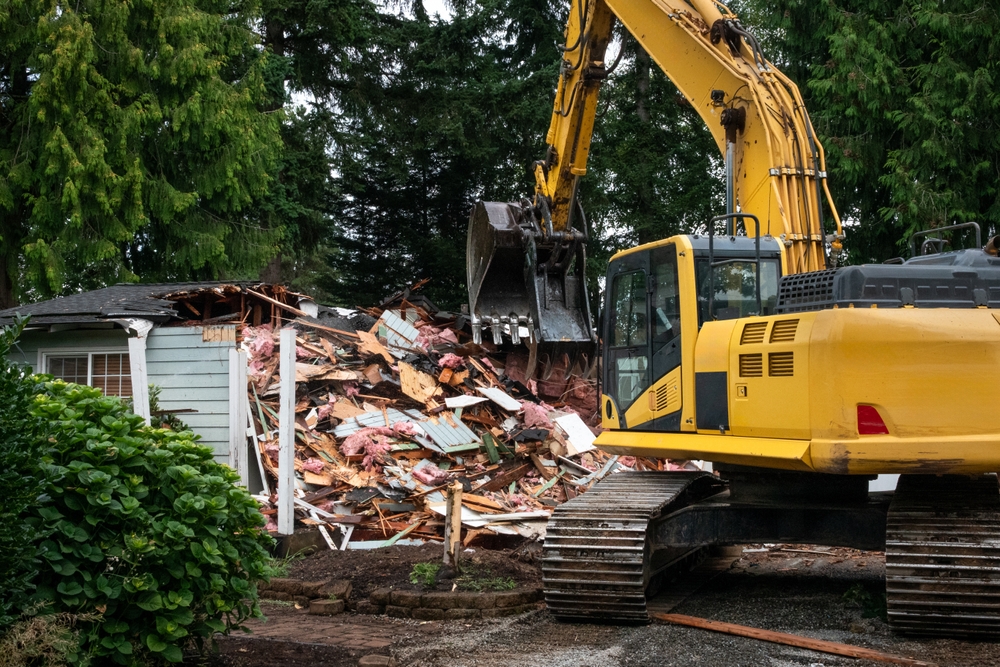
Here is what this guide will help you do:
- Understand the key steps before demolition begins
- Avoid common issues that can slow the project down
- Protect nearby structures, landscaping, and access points
- Work more confidently with experienced professionals
Why It Matters to Prepare Your Property for Residential Demolition
Before demolition starts, there are often more moving parts than homeowners expect. Permits may be required. Utilities need to be shut off correctly. Personal property must be cleared out. Access for crews and equipment has to be planned carefully.
If you do not prepare your property for residential demolition, even a simple project can run into setbacks. For example, a delayed utility disconnection can push the timeline back. A blocked driveway can limit equipment access. Items left inside the structure can create safety concerns and cleanup issues.
The better prepared the property is, the smoother the demolition process tends to be.
Start With a Clear Demolition Plan
The first step to prepare your property for residential demolition is understanding exactly what is being removed and what is staying in place. Some projects involve a full teardown. Others may involve a garage, detached structure, addition, or unsafe section of a home.
Define the scope before work begins
Make sure you know:
- What structure or area is being demolished
- Whether the project is full or partial demolition
- What equipment may be needed
- What the timeline looks like
- What happens after demolition is complete
This step helps prevent confusion once the job starts. It also helps your contractor plan access, cleanup, and safety procedures more accurately.
Confirm Permits and Local Requirements
One of the most important parts of how to prepare your property for residential demolition is making sure the project meets local rules. Residential demolition often requires permits, inspections, or approvals before work can begin.
Do not assume every project is permit-free
Even if you are removing a smaller structure, your town or county may still require documentation. Requirements can vary based on the type of structure, utility connections, and debris disposal plans.
Working with an experienced contractor can make this easier. A knowledgeable team can help you understand what is required and keep the project moving in the right direction.
Schedule Utility Disconnection Early
Utilities must be handled properly before demolition begins. This includes electric, gas, water, sewer, and sometimes cable or internet lines. If you want to prepare your property for residential demolition the right way, this step cannot be skipped.
Utility shutoff protects people and property
Active utilities can create serious hazards during demolition. Gas lines, live electrical service, and connected water lines can all increase the risk of damage, injury, and unexpected delays.
Plan for utility disconnection early in the process. In many cases, this takes coordination with utility providers and may require lead time. If you are stuck here, contact your contractor first so you know which shutoffs need to be confirmed before the demolition date.
Remove Personal Belongings and Interior Contents
Another key way to prepare your property for residential demolition is to clear out anything you want to keep. Homeowners sometimes focus on the exterior and forget how much is still inside the structure.
Walk through the property carefully
Before demolition day, remove:
- Furniture
- Appliances you plan to save
- Tools and equipment
- Personal documents
- Sentimental items
- Decorative fixtures worth keeping
This is also a good time to check attics, crawl spaces, garages, sheds, and storage rooms. It is much easier to sort through belongings before heavy equipment arrives than after debris removal begins.
Create Safe and Clear Site Access
Demolition crews need room to work safely. That means access paths, driveways, gates, and work areas should be as clear as possible. To prepare your property for residential demolition, think about how trucks, dumpsters, and equipment will move in and out of the site.
Clear obstacles before the crew arrives
You may need to move:
- Vehicles
- Trailers
- Lawn equipment
- Portable playsets
- Outdoor furniture
- Temporary fencing or obstacles
If the project site is hard to reach, discuss that early with your contractor. A narrow driveway, low branches, or limited turning space may affect how the job is staged.
Protect Nearby Features You Want to Keep
Not everything on the property is meant to be removed. That is why it is important to prepare your property for residential demolition with protection in mind. Nearby trees, fences, landscaping, patios, and neighboring structures may all need attention.
Identify what should be protected
Mark or discuss features such as:
- Mature trees
- Garden beds
- Retaining walls
- Detached buildings staying in place
- Shared driveways
- Fences and gates
This is where working with a team like Hagan & Sons Tree Service can be especially valuable. Tree protection, branch clearance, and safe site preparation can make a big difference when demolition equipment needs room to operate without damaging surrounding features.
Understand the Safety Side of Demolition
Safety should be part of every step as you prepare your property for residential demolition. Homeowners should keep children, pets, and unnecessary foot traffic away from the work zone. Neighbors may also need a heads-up if the project will affect access, noise, or dust.
Work with experienced professionals
Demolition is not a casual weekend project. It involves structural risk, debris handling, equipment operation, and site hazards that need trained oversight. Hiring experienced professionals helps reduce risk and ensures the property is handled correctly from start to finish.
Get Your Site Ready With Hagan & Sons Tree Service
The best way to prepare your property for residential demolition is to plan ahead, clear the site, protect what matters, and work with professionals who understand the full scope of the job. From permits and utility coordination to site access and surrounding tree management, good preparation sets the tone for a safer and more efficient project.Hagan & Sons Tree Service provides Maryland demolition services and helps homeowners get properties ready for major structural work. If you are getting ready for a teardown or removal project or searching for experienced Maryland demolition services, contact Hagan & Sons Tree Service today.
